
7 Innovative Ways of Using Himalayan Salt in Cooking
TL;DR
- Using Himalayan salt in cooking works for meat, seafood, vegetables, eggs, soups, salads, and desserts.
- Pick fine salt for dressings, medium for roasting, and coarse for finishing.
- Himalayan salt vs regular salt comes down to texture, crystal size, and looks.
- Try using a salt block on the grill for steak, shrimp, and vegetables.
- The benefits of cooking with Himalayan salt include crunch, color, and clean flavor.
Using Himalayan salt in cooking is simple. This pink salt comes from ancient salt deposits in Pakistan.
It works on steak, vegetables, eggs, soups, salads, and desserts. You can even cook on a Himalayan rock salt slab.
The right grain size makes the biggest difference. Fine grains dissolve fast. Coarse grains add crunch.
This guide shows you which grain to pick and where to use it. You will also learn seven easy ways to cook with it. Then you will follow a simple potato recipe and learn when to add salt.
Which Type of Himalayan Pink Salt Should You Use?
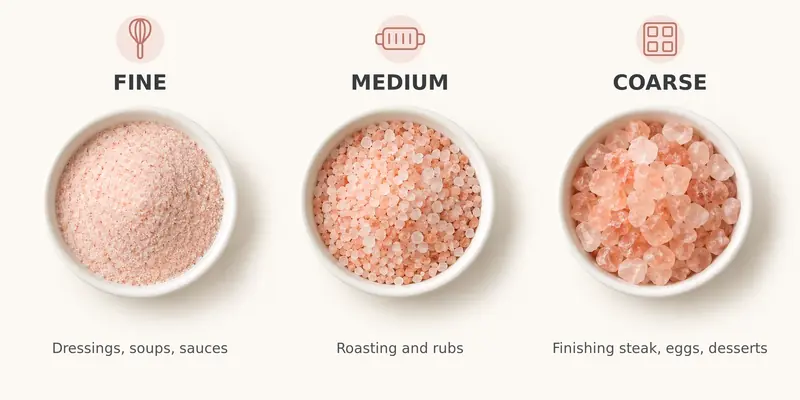
Before you cook, pick the right grain. Himalayan pink salt comes in three common sizes.
- Fine: Dissolves fast. Use it in dressings, soups, sauces, and batters.
- Medium: Sprinkles evenly. Use it for roasting, rubs, and everyday seasoning.
- Coarse: Stays crunchy. Use it to finish steak, eggs, and desserts.
Always buy food-grade salt, since decorative and bath salts are not for cooking.
StarlineSalt offers a wide range of edible Himalayan salt products, including pink salt, dark pink salt, and black salt in various grain sizes.
- Himalayan Pink Salt Fine Grains
- Himalayan Pink Salt 2–5 mm Grains
- Himalayan Pink Salt Granules 5–10 mm
- Himalayan Dark Pink Salt Granules 2–5 mm
- Himalayan Black Salt Granules 1–2 mm
- Himalayan Black Salt Granules 2–5 mm
What is the difference between Himalayan Salt and Regular Salt in Cooking
Himalayan salt vs regular salt is mostly about texture. Table salt has tiny, uniform grains. Many brands add iodine and other additives. Pink salt has larger, uneven crystals and usually no additives. Both are mostly plain salt.
| Feature | Himalayan Salt | Regular Table Salt |
| Source | Mined from rock salt deposits, such as Khewra in Pakistan | Mined or exported from Brine |
| Processing | Minimal | Highly Refined |
| Color | Pale Pink to deep rose, with natural variation | White |
| Minerals | Trace Minerals, including iron oxide | Mostly Sodium Chloride |
| Addictives | Usually none | Often anti-caking agents |
| Iodine | Not normally iodized | Often Iodized |
| Texture | Fine to Coarse, plus blocks and slabs | Fine and Uniform |
| Main Uses | Cooking,finishing spa, lamps, decor, animal licks | Everyday cooking, baking, food processing |
Seven Practical Ways of Using Himalayan Salt in Cooking
Now that you know your grains, put the salt to work. Each idea below shows the benefits of cooking with Himalayan salt in a different way.
1. Season Roasted Vegetables
Salt brings out the natural sweetness in vegetables. Toss carrots, broccoli, or cauliflower with oil and medium-grain salt. Do this right before roasting. Prefer a smoky char? Try zucchini or mushrooms when using a salt block on the grill. Tip: Spread the pieces out so they roast, not steam.
2. Rub Steak and Grill It on a Salt Block
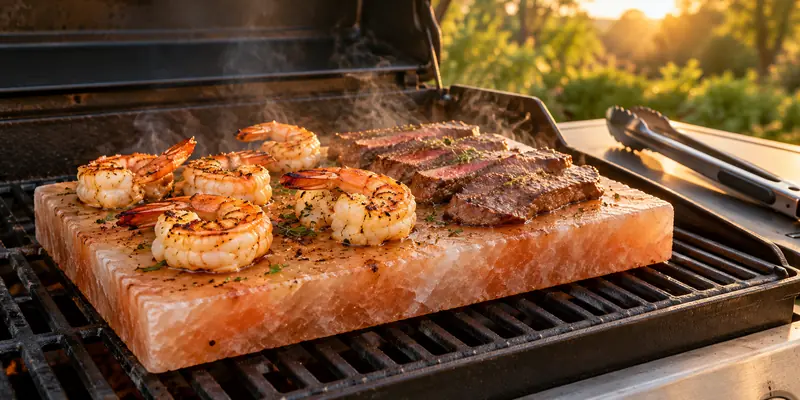
Pink salt works well in a dry rub. Mix medium-grain salt, black pepper, and garlic powder. Press the mix onto steak, chicken, or lamb. Let it rest 15 minutes before cooking. For a fresh twist, try using a salt block on the grill. Using a salt block on the grill takes patience. Place the block on a cold grill and raise the heat slowly over 30 minutes. A sudden jump in heat can crack it. When the block cools, wipe it with a damp cloth. Never soak it or use soap.
3. Sear Seafood on a Himalayan Rock Salt Slab
Next, fish need less salt than you think. Sprinkle a light pinch of fine salt before cooking. For a showy dinner, try a Himalayan rock salt slab. Sear shrimp or scallops for about two minutes per side. The slab gives each bite a gentle salty edge. Heat the slab slowly, just like a block. Skip extra salt until you taste the dish.
4. Add Pink Salt to Eggs
Eggs shine with a small pinch of salt. Add fine salt to scrambled eggs as they cook. For fried or poached eggs, top with a few coarse crystals.
5. Salt Soups and Sauces
Now, soups and sauces need time to spread the salt evenly. Add fine salt while they simmer. Taste after ten minutes, then adjust. Fine grains dissolve fast, so you can fix the flavor quickly. That control is one of the benefits of cooking with Himalayan salt. Tip: Add less early, because liquid shrinks as it cooks.
6. Dress Salads With Fine Salt
Fine pink salt dissolves into dressing without any gritty bites. Himalayan salt vs regular salt makes little difference here. Stir the salt into lemon juice first. Then whisk in the olive oil. For a crunchy twist, top tomatoes or avocado with a few coarse crystals. Tip: Dress the salad right before serving to keep the leaves crisp.
7. Finish Baking and Desserts
Finally, a few crystals make sweet treats taste richer. Sprinkle coarse salt on brownies, cookies, or caramel right after baking. Himalayan salt vs regular salt matters most here. Coarse pink crystals stay crunchy, while table salt melts away. Tip: Press the crystals in gently while the treat is still warm. For a cool dessert, serve sorbet on a chilled Himalayan rock salt slab.
What Should You Season?
Not sure what to season? Use this chart to match pink salt with everyday foods.
| Food | Best way to use it |
| Eggs | Add a small pinch while cooking |
| Roasted Vegetables | Season before roasting |
| Steak | Use a a part of dry rub |
| Fish | Season lightly before cooking |
| Salads | Use fine salt in the dressing |
| Chocolate desserts | Use few coarse crystals as a finishing touch |
Easy Recipe: Himalayan Pink Salt Roasted Potatoes
Ready to try it? This recipe shows the benefits of cooking with Himalayan salt in a real dish.
Crispy Himalayan Pink Salt Roasted Potatoes
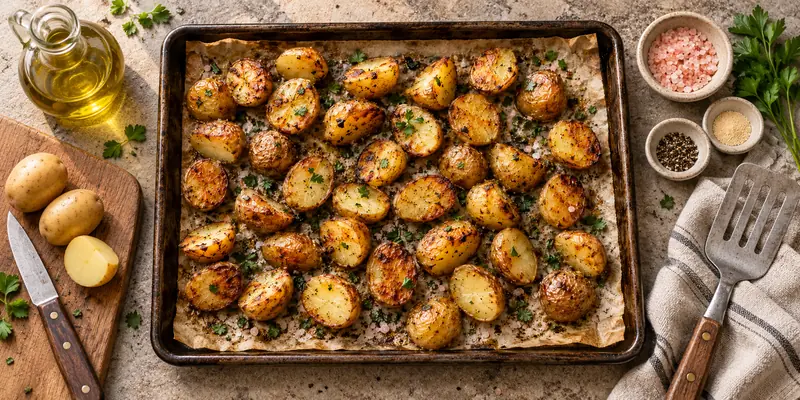
Prep time: 10 minutes Cook time: 40 minutes Serves: 4
Ingredients
- 2 pounds baby potatoes
- 3 tablespoons olive oil
- 1 teaspoon medium-grain Himalayan pink salt
- ½ teaspoon black pepper
- 1 teaspoon garlic powder
- ¼ teaspoon coarse Himalayan pink salt, for finishing
- 1 tablespoon chopped fresh parsley
Directions
- Heat the oven to 425°F. Cut the potatoes in half and pat them dry.
- Toss the potatoes with oil, pepper, garlic powder, and 1 teaspoon medium salt.
- Spread them cut side down on a baking sheet. Roast for 35 to 40 minutes, flipping once halfway.
- Sprinkle the coarse salt and parsley over the hot potatoes. Serve right away.
When to add the salt: Add the medium salt before roasting so it seasons every bite. Add the coarse salt after roasting for crunch.
Measuring tip: Himalayan salt vs regular salt also changes the amount. Fine table salt packs tighter, so use ¾ teaspoon instead of 1 teaspoon.
When Should You Add Pink Salt: Before, During, or After Cooking?
During cooking: Add salt to soups, sauces, and dishes that need time to dissolve. Using a salt block on the grill also fits here, because the block seasons food as it cooks.
After cooking: Finish dishes when you want visible crystals or a little crunch. Serve chilled cheese or fruit on a Himalayan rock salt slab.
The best timing depends on the recipe and the texture you want. Himalayan salt vs regular salt follows the same timing rules, but coarse crystals dissolve slower.
Frequently Asked Questions
1. What are the best ways to use Himalayan pink salt in cooking?
Himalayan pink salt can season meat, seafood, vegetables, soups, and sauces. You can also use it for brining, salt-crusted dishes, and finishing desserts.
2. Can you cook directly on a Himalayan salt block?
Yes. A food-grade Himalayan rock salt slab made for cooking can sear meat, seafood, and vegetables. Heat it slowly and follow the maker’s directions. The same rule applies when using a salt block on the grill.
3. Does Himalayan pink salt taste different from regular table salt?
Both are mostly plain salt. Himalayan pink salt differs mainly in color, crystal size, and texture. Some cooks notice a subtle flavor difference.
4. Can Himalayan pink salt be used in both sweet and savory recipes?
Yes. It works in savory dishes like grilled vegetables and seafood. It also shines in desserts like salted chocolate and caramel. That range is one of the benefits of cooking with Himalayan salt.
5. What is the difference between Himalayan salt and sea salt for cooking?
Himalayan salt comes from mined salt deposits. Sea salt comes from evaporated seawater. Both work well for cooking, but their texture, color, and crystal size can differ.
6. Can I use Himalayan salt instead of kosher salt?
Yes, but adjust the amount for crystal size. Fine Himalayan salt packs more salt into each spoonful than coarse kosher salt. Start with less and add more to taste.
The difference of kosher salt and Himalayan salt lies in their crystal shape, texture, and color, which can affect how they are used to season food.
Conclusion
Using Himalayan salt in cooking is an easy way to upgrade everyday meals. Himalayan salt vs regular salt is a small switch with big flavor. Then explore a Himalayan rock salt slab or try using a salt block on the grill. The benefits of cooking with Himalayan salt show up in every bite. Browse StarlineSalt’s Himalayan gourmet salt to get started.