
Understanding the Complete Journey from Mine to Market
Himalayan salt extraction is an ancient practice refined over centuries. As a leading salt mining company in Pakistan and trusted Himalayan salt exporter, StarlineSalt is committed to sustainable salt mining practices. Understanding how Himalayan salt is mined and processed reveals the dedication and expertise required to bring premium natural mineral products to global markets. This comprehensive guide walks you through the complete extraction process, from initial mining through final packaging.
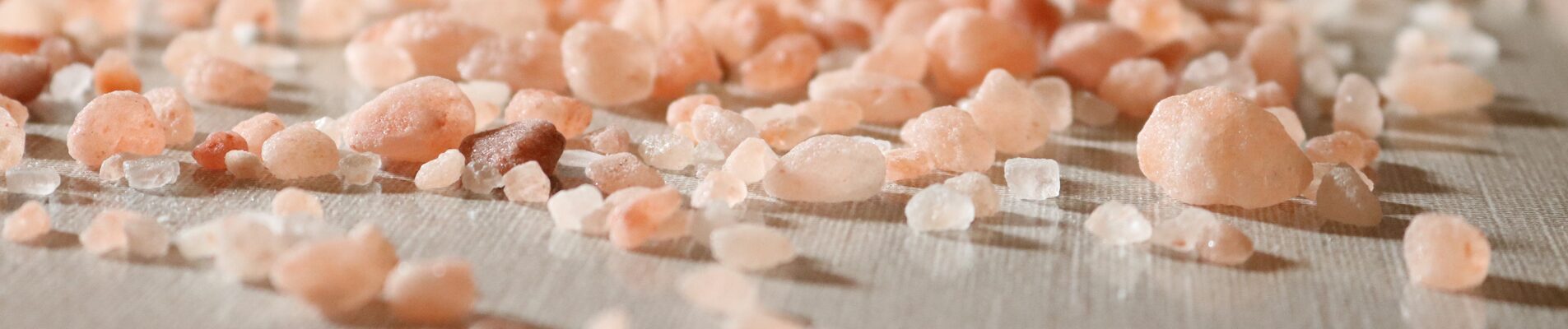
The History and Geology of Himalayan Salt Mining
The Himalayan salt deposits originated over 250 million years ago when ancient sea beds evaporated, leaving vast crystallized salt formations. The history of Himalayan salt mining dates back to pre-industrial times when salt carving artisans in Pakistan first discovered and extracted these precious deposits. Today, these natural mineral resources continue to be the foundation of Pakistan’s salt mining industry. Understanding the geological formation helps appreciate why Himalayan salt contains over 84 trace minerals, making it significantly different from refined table salt.
Stage 1: Exploration and Mine Preparation
Before any salt extraction begins, geological surveys identify promising salt deposit locations. Modern salt mining companies in Pakistan use advanced technology to assess salt bed composition and thickness. Once a mining site is approved, infrastructure is developed including:
- Ventilation systems for worker safety and optimal conditions
- Support structures and reinforcements in mine tunnels
- Water management systems for controlling moisture
- Access routes for equipment and personnel transport
Stage 2: Extraction of Salt from the Mines
The actual extraction process varies between traditional and modern techniques. How Himalayan salt is mined involves either room-and-pillar mining.
Room-and-Pillar Mining (Traditional Method)
This conventional mining technique, used by established Himalayan salt mining operations in Pakistan, involves:
- Drilling: Workers use specialized equipment to create blast holes in the salt formation
- Blasting: Controlled explosions loosen large chunks of natural Himalayan crystal salt
- Loading: Excavators and loaders collect fragmented salt pieces
- Transportation: Trucks and tractor trollies move raw salt toward processing facilities.
Stage 3: Initial Processing and Crushing
Raw salt from mines arrives at processing facilities as large irregular chunks and boulders. Initial processing involves crushing these fragments into manageable sizes. Large crushers and mills reduce the bulk Himalayan salt exporter shipments into smaller, uniform pieces. This stage is critical as it prepares salt for subsequent refinement stages.
Stage 4: Sorting and Grading
Sorting and grading ensures consistent quality and separates salt by intended use. Premium Himalayan salt suppliers implement rigorous quality control:
- Visual Inspection: Workers manually inspect batches to remove impurities and discolored pieces
- Size Classification: Screening equipment separates salt into fine, medium, and coarse grades
- Quality Assessment: Tests verify mineral content and purity levels
- Segregation: Different grades are separated for appropriate applications
Stage 5: Washing and Purification
The washing process removes surface dust, minerals, and any remaining rock fragments while preserving the salt’s natural mineral content. Key washing steps include:
- Water Washing: Salt is exposed to clean water that dissolves surface impurities
- Agitation: Mechanical action enhances cleaning effectiveness
- Separation: Settled impurities are removed while purified salt is recovered
- Final Rinse: Additional water washes ensure complete contaminant removal
Stage 6: Drying
Washing is followed by controlled drying to remove excess moisture while maintaining the salt’s natural mineral properties. Modern facilities use:
- Rotary Dryers: Heated drums gently dry salt without damaging crystal structure
- Hot Air Circulation: Controlled temperature ensures even moisture removal
- Moisture Testing: Quality control verifies final moisture content meets standards
Stage 7: Secondary Processing (Product-Specific)
Depending on intended applications, salt undergoes specialized processing:
- For Edible Use: Fine grinding and anti-caking agents ensure free-flowing product
- For Lamp Production: Larger chunks are shaped and polished into decorative forms
- For Industrial Use: Specific granulation produces optimal chemical reactivity
- For Animal Use: Blocks are hand carved in rough cylindrical shapes into convenient feed salt lick sizes
Stage 8: Final Quality Control Testing
Before packaging, comprehensive testing ensures products meet international standards. Tests include:
- Mineral Analysis: Verification of 84+ trace minerals in natural salt
- Purity Testing: Confirmation of contaminant levels
- Microbial Testing: Ensures food safety standards are met
- Moisture and Density Verification: Confirms physical properties meet specifications
Stage 9: Packaging
The final packaging stage protects product quality and maintains mineral content. Himalayan salt exporters use:
- Food-Grade Packaging: Sealable containers preserve purity and moisture balance
- Bulk Bags: Heavy-duty sacks transport wholesale quantities safely
- Labeling: Comprehensive information includes origin, mineral content, and certifications
- Storage: Climate-controlled conditions maintain product integrity until shipment

Sustainable Salt Mining Practices
Responsible Himalayan salt extraction companies prioritize environmental stewardship. Sustainable salt mining practices include:
- Environmental Impact Assessment: Regular monitoring of mining effects on surrounding ecosystems
- Waste Management: Proper disposal and recycling of by-products
- Worker Safety: Adherence to international occupational health standards
- Community Development: Supporting local economies and populations near mining regions
Why Choose StarlineSalt for Himalayan Salt Products?
As Pakistan’s trusted Himalayan salt manufacturing company, StarlineSalt implements sustainable practices throughout our extraction and processing operations. Our commitment to quality includes:
- Direct mine-to-market control ensuring authenticity and quality
- Advanced processing technologies preserving natural minerals
- Comprehensive quality certifications and international compliance
- Ethical extraction practices supporting sustainable mining
- Reliable wholesale quantities for global distribution
Conclusion
The journey from ancient Himalayan salt mines to premium products involves sophisticated processes respecting both product quality and environmental responsibility. Understanding how Himalayan salt is extracted provides appreciation for the expertise and dedication of salt carving artisans and modern technicians alike. Global Himalayan salt suppliers must balance production efficiency with sustainability, ensuring future generations benefit from these precious natural resources. StarlineSalt continues this legacy, delivering authentic, sustainable, and premium Himalayan salt products worldwide.
Partner with StarlineSalt for the finest sustainable Himalayan salt products from Pakistan’s leading exporters.